
Heart Health After 40: Why Blood Pressure Creeps Up
Updated: Sep 3
Why This Matters for Your Heart Health Now — Not Later
Heart disease is the Number 1 killer of women — not breast cancer, not a car accident, not anything else. One in five female deaths in the United States traces back to it.
And more than 45% of women are living with high blood pressure or taking medication for it right now, many without knowing their numbers at all.
That's why blood pressure earned its nickname: the silent killer. It's one of the clearest, earliest windows into your heart health, and it rarely announces itself. No sharp pain, no dramatic symptom — just quiet, steady pressure on your arteries, day after day, until it becomes a stroke, a heart attack, or damage to organs that took years to build up. By the time most women feel something is wrong, the damage has already been accumulating for a decade.

If you're a woman over 40 and carrying weight you can't explain, this may be why.
The weight that you don't want, showed up seemingly overnight after 40s, settled in the belly, and hasn't budged no matter how closely you watch what you eat and how frequently you exercise. If this is you too, you're not imagining it. And it's not a willpower problem. It's female body physiology —hormones, gut, and cardiovascular health - all change after 40s.
Extra weight, especially the kind that collects around your midsection, doesn't just sit there passively. It's dangerous. Visceral fat — the fat around your organs, not just under your skin — is metabolically active. It compresses your kidneys, which drives up sodium retention and fluid volume. It releases the hormone leptin, which revs up your sympathetic nervous system and raises blood pressure. And it activates a hormonal cascade (the renin-angiotensin-aldosterone system, if you want the clinical name) that tells your body to hold onto sodium and constrict your blood vessels. On top of all that, visceral fat produces inflammatory compounds that damage the lining of your arteries over time. This is why carrying extra weight — particularly around the middle — is one of the most direct drivers of high blood pressure there is.
The hormone piece your doctor likely isn't explaining to you
Here's what almost never gets said out loud: after 40, your body is not playing by the same rules it used to, and that's because of estrogen. Estrogen helps keep your blood vessels relaxed and flexible. As it declines through perimenopause and menopause, your blood vessels stiffen, cholesterol accumulates more readily on artery walls, and your body starts redistributing fat toward your midsection — even if your eating healthy and moving daily. Women who reach menopause before 45 face a significantly higher risk of coronary heart disease as a direct result of this shift.
This is why "eat less, move more" stopped working. The physiology of your body has changed, you're in full hormonal transition now. You don't need a harsher plan — you need a personalized plan that nourishes your body and supports your hormones, to make the transition smoother.
Your gut is part of this conversation too
This is where gut health comes in, and it's not something you can ignore and hope for the best — it's directly connected to your blood pressure. Your gut microbiome, the trillions of bacteria living in your digestive tract, produces compounds that either help regulate blood pressure or work against it.
When gut microbiome is out of balance, it disrupts your gut barrier and triggers low-grade inflammation that raises blood pressure directly. A diet high in sodium doesn't just affect your blood vessels — it actively depletes beneficial bacteria like Lactobacillus in your gut, compounding the problem. On the other hand, fiber-rich, plant-forward eating feeds the bacteria that produce short-chain fatty acids, compounds shown to help lower blood pressure. Your gut isn't a separate body system from your cardiovascular health. In the body, everything works together.

What blood pressure actually measures
Every time your heart beats, it pushes blood through your arteries to reach the organs and tissues that depend on it. That force against your artery walls is your blood pressure, and it's captured in two numbers:
Systolic pressure (the top number) — the pressure in your arteries when your heart beats
Diastolic pressure (the bottom number) — the pressure in your arteries when your heart rests between beats
Both numbers matter.
Where you stand: the current categories
Category | Systolic (top) | Diastolic (bottom) |
Normal | Less than 120 | Less than 80 |
Elevated | 120–129 | Less than 80 |
Stage 1 Hypertension | 130–139 | 80–89 |
Stage 2 Hypertension | 140 or higher | 90 or higher |
The updated national guidelines now aim even lower than they used to — the target is under 130/80, with 120/80 as the goal to move toward. That shift matters: it means the window to intervene naturally, before medication becomes the only option, opens earlier than most women realize.
The Window to Act Is Now
In my coaching practice, every intake starts with a women's health history — and cardiovascular patterns show up there constantly. A mother's high blood pressure, a father's blocked arteries, cholesterol running on one side of the family: these are the threads that tell me where a woman's risk actually lives. Layer in the weight, hormone, and gut shifts that happen after 40, and it's no surprise so many women land in the Elevated or Stage 1 range without ever seeing it coming.
This is exactly the range where lifestyle change has the most leverage — where the personalized approach to weight, hormones, and gut health can move your numbers meaningfully, back into Normal, before a single medication enters the picture. This is where I focus on with my clients - by creating a personalized wellness plan to drive their numbers back to normal and make them feel back in control of their health.
The 3 places to start — highest leverage first
You don't need to overhaul your entire life today. These three carry the most weight for a body like yours. Start here.
Nutrition. A whole-food, plant-forward way of eating — rich in vegetables, fruit, whole grains, and lean protein, light on processed food and sodium — does double duty: lowers systolic pressure by up to 11 points, and it feeds the gut bacteria that produce the compounds your body uses to help regulate blood pressure on its own. This is the foundation of Intuitive Nourishment: eating in a way that nourishes your body, with seasonal foods that support your hormones and gut health, not white-knuckle your way through another heart disease lowering diet.
Movement. Daily movement, like walks, lowers blood pressure by 5 to 8 points — and it's one of the most underrated and yet very effective tools you have for reducing visceral fat specifically, the kind that feels intuitive and also supports a healthy heart. If 150 minutes a week feels far away, start smaller: a 15-minute walk each day is enough to begin moving the needle. This is Intuitive Movement in action — that feels good rather than depletes you.
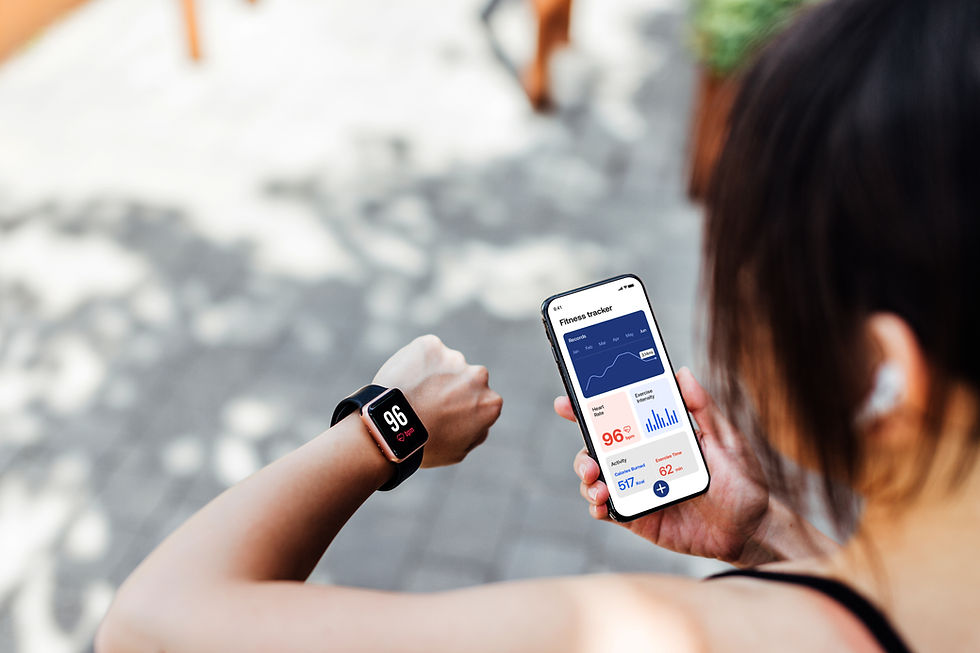
Your body's intuitive wisdom. Elevated blood pressure isn't a sign that your body is broken — it's your body's way of communicating, getting you to pay attention, letting you know something is out of balance. Whether that's excess weight, shifting hormones, or a gut ecosystem under strain. Homeostasis, body in balance, not disease, is your body's default state. When you can listen to what your body is communicating, you can attune to your body's intuitive wisdom and work with your body vs against it.
Ready to start with one of these three steps, and get ahead of a prescription?
You don't have to wait for your next doctor's appointment to be handed a medication and told it's the only option left.
If you are a woman over 40, feeling like your body stopped responding to the things that used to work, you don't need another prescription — you can have a personalized wellness blueprint that is build to support your healthy weight, balance hormones naturally, and reset your gut microbiome so you feel energized and more like yourself again.
Book a call with me, and we'll build that plan together. Imagine feeling more prepared and ready for your next doctor's appointment, already lowered your numbers, before your doctor ever reaches for the prescription pad. That's what's possible when you have your own personal wellness blueprint.
With nourishment, Vesna
Your Health is Your Greatest Wealth.


Comments